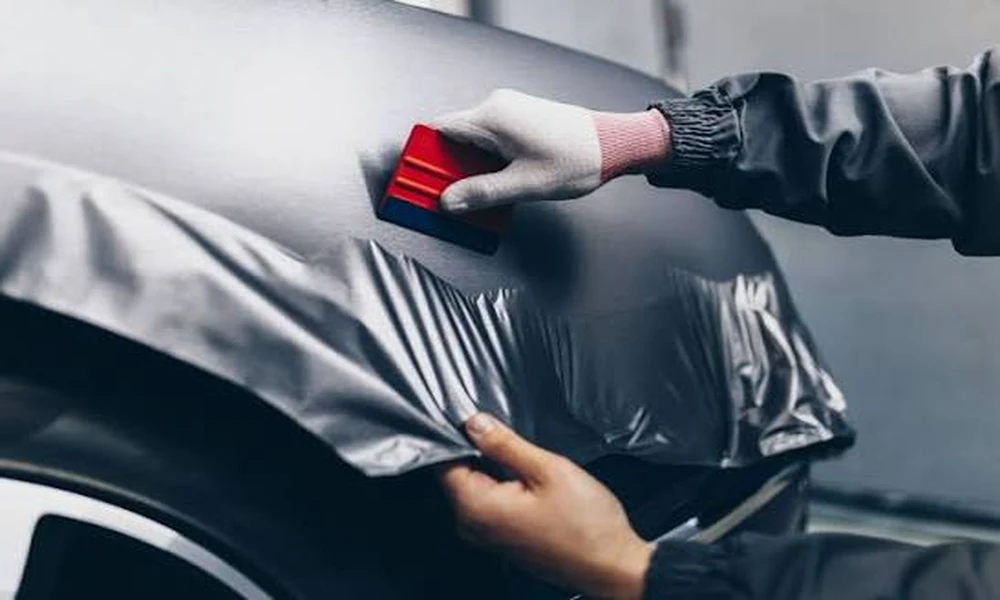

A wrap colour can be attractive in isolation and disappointing on a particular vehicle. The surrounding trim, wheel finish, body shape and lighting all contribute to the impression. Before choosing a film from an online photograph, identify what you actually like about that image, then test the colour against the car you own. A convincing reference is a starting point for a decision, not the decision itself.
The reference photograph contains more than paint
Look again at the picture that started the project. Is it the colour, or is it the contrast between dark wheels and a pale body? Perhaps the low camera angle makes the car feel more purposeful, or an uncluttered background gives a muted shade extra presence. Naming those ingredients can change your shortlist. You may find that you want a restrained overall appearance rather than the exact blue or green shown on a screen.
Compare several photographs of the same finish if reliable examples are available. A colour that seems warm in one image may look cooler in another. Editing, exposure and the screen itself can complicate the comparison. Treat those differences as a reason to inspect a physical sample, not as evidence that one photograph is dishonest. The useful question is what visual character persists across ordinary views rather than which image looks most dramatic.
Your vehicle’s proportions also deserve attention. A long, uninterrupted door creates a different visual field from a small panel divided by trim. A sharply sculpted surface can make reflections prominent, while a broad flat area may draw attention to colour itself. You need not become a designer to notice this. Walk around the car and identify the surfaces that dominate your own view of it, then use those as the basis for the comparison.
Build a small palette around fixed details
Start with what is staying. Wheels, grilles, window surrounds, lamps and badges already form a palette. Lay candidate samples near those details with the installer’s permission, without attaching anything yourself. A sample that looks appealing on a desk may compete with a warm metallic wheel or an existing accent. The purpose is to judge relationships rather than to decide that any particular colour combination is universally right or wrong.
Keep the number of finalists manageable. A large catalogue can encourage endless small changes without improving the choice. Select a few that express meaningfully different directions: perhaps one close to the original appearance, one noticeably darker and one more expressive. Then compare why each belongs on the car. A shorter list makes it easier to explain your preference and harder to confuse a new option with an actual improvement.
Consider how much contrast you enjoy living with. Some owners want the body colour to draw attention immediately; others prefer the vehicle to look cohesive at a glance. Neither preference requires a justification based on resale or performance. Those are separate questions. It is enough to decide whether the proposed colour feels comfortable beside the details you see every morning, including the ones that rarely appear in inspiration photographs.
If another alteration is genuinely planned, include it honestly in the design discussion. A wheel replacement that is already selected is different from a vague idea to change everything later. Avoid approving a wrap that only works with an imaginary future version of the car. A coherent current combination can be a better outcome than a more ambitious scheme whose remaining parts never arrive.
Let an ordinary day challenge the favourite
A showroom light or a sunny photograph is only one viewing condition. Ask to examine the sample in appropriate daylight and shaded conditions, and look from more than one angle. You are not trying to conduct a scientific colour test. You are checking whether the finish still appeals when the effect becomes quieter, flatter or more reflective than it was in the image that first caught your attention.
For a Mississauga owner ready to explore the wrap service, SRS Tints describes colour and finish choices for personal vehicles. Bring a small set of references and explain what each demonstrates. Ask what sample review is possible for the specific films under consideration. Availability and the final scope need confirmation, so do not assume every finish visible online can be ordered for the appointment you want.
Think about the places where you normally see the car. An underground parking space, a driveway and an open workplace lot give different everyday impressions. You cannot reproduce every setting during a consultation, but you can stop judging the colour only as a photographed object. The car will spend much of its time outside a carefully composed scene, beside other vehicles and under ordinary lighting.
Allow a little distance from the favourite before committing. Revisit the shortlist after the initial excitement has settled and see whether your reasons remain consistent. If you keep returning to a colour because of one heavily edited photograph, seek a better physical reference. If you like it across several unremarkable views, you have a more useful basis for proceeding than a single moment of enthusiasm.
Turn the visual choice into a traceable order
Record the exact product, colour and finish selected with the installer. Similar names can describe different appearances, and a casual phrase such as “dark satin grey” may leave room for misunderstanding. Check that the agreed order matches the sample you approved. The shop should also assess the vehicle’s suitability for the proposed work; liking a finish does not answer questions about the surface beneath it.
Keep the visual approval separate from promises about longevity or future matching. Ask for the relevant care instructions and written product information, but avoid assuming that a replacement piece years later will be indistinguishable. Your immediate task is to approve a known finish on a known scope. That is a much clearer agreement than asking the installer to recreate the mood of a photograph.
Save one ordinary-light photograph of the chosen sample beside the car’s fixed trim. It may be less exciting than the inspiration image, yet it captures the relationship you actually selected. When the vehicle returns with its new colour, that modest reference can explain the choice better than a folder of spectacular cars.