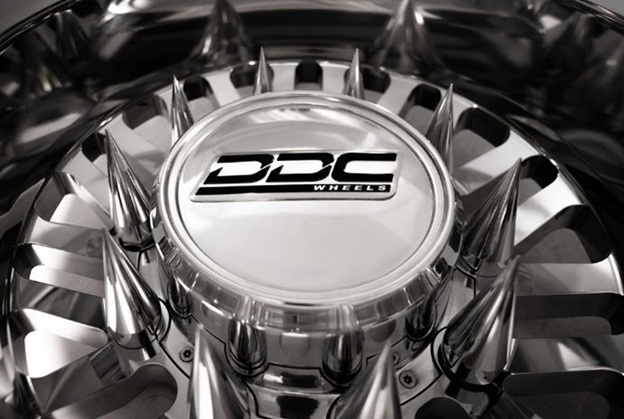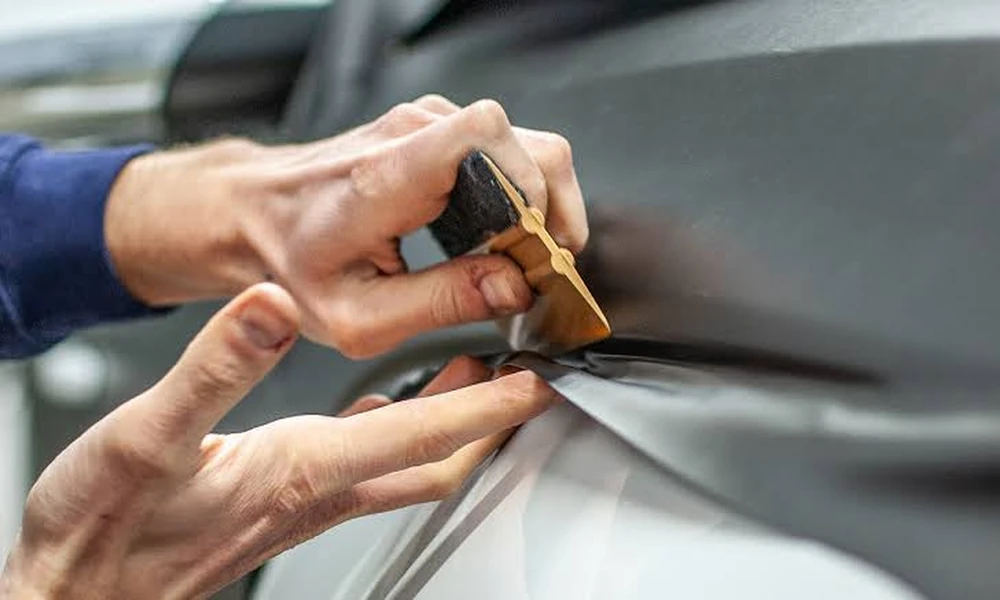

Before approving wheel refinishing, discuss the centre caps and any decorative inserts as identifiable parts of the project. The finished appearance may depend on them, but that does not mean they receive the same treatment as the wheel itself. Confirm what the provider will assess, handle and return. Small accessories should have an agreed place in the quotation rather than becoming an unanswered question after the main work is finished.
Name the pieces in the finished appearance
Look at the wheel as a collection of visible elements. The main wheel, its centre cap, an emblem and any decorative insert may look like one continuous design from a distance. At the planning stage, distinguish the pieces you can identify without taking anything apart. Tell the provider which details matter to the appearance you want to retain or change, and let it establish what those components actually are.
Photograph each wheel before the appointment if doing so is safe and practical. Include a clear overall view and the accessory details that prompted the enquiry. A set may contain an earlier replacement cap or a piece whose condition differs from the others. Avoid assuming all four assemblies are identical merely because they share the same general design. Identify visible differences so the provider knows where to look.
Do not remove unfamiliar pieces just to make the photographs more informative. Attachment arrangements and component condition need to be understood before handling. Ask the shop how it wants the wheels and their accessories presented for assessment. If any pieces are already separate, describe that fact and agree how to bring them. A bag of unlabelled parts should not become the technician’s first introduction to the project.
Separate a decorative preference from a functional concern. You may dislike the colour of an emblem, but you may also have noticed a cap that appears loose or an insert that is missing. Tell the provider both things without assuming that refinishing resolves the second. Ask who should assess the component and what must be settled before the proposed cosmetic work can proceed.
A matching colour does not establish a matching treatment
Explain the desired relationship between the main wheel and its accessories. Perhaps you want to keep the original emblem visible, retain a contrasting cap or explore a more uniform appearance. The shop can then discuss which parts of that request it can evaluate. An overall colour description is not enough to establish how every separate piece will be handled.
For a Toronto enquiry, the powder-coating service page from Onyx Rims identifies the main refinishing category. Ask specifically how the proposed job would address your centre caps or inserts. The category does not confirm that every accessory can be treated, that a particular colour match can be achieved or that replacement parts are supplied. Those are questions for the actual quotation.
Provide any available component information, including an identifiable part number or original description. Appearance alone should not be used to decide the material or the appropriate process. Leave those assessments to the relevant provider. The owner’s useful contribution is the goal and the known history, not a request to apply the same treatment to every object simply because it sits within the same wheel design.
Ask the quotation to distinguish the proposed outcomes. A cap might remain unchanged, need separate assessment or become the subject of a replacement enquiry. Each possibility has a different meaning for the finished set. Confirm which one is actually included and which remains unresolved. Avoid letting a general phrase such as “complete wheel refinish” hide a disagreement about whether the small accessories are part of the work.
If exact visual matching is important, say so before approval and ask what reference can support that discussion. Do not presume that a similar colour name establishes an identical appearance across different components. An intentional contrast may be acceptable, or the original accessory may remain the preferred choice. Decide on the relationship knowingly instead of expecting the collection appointment to resolve it.
Decide what an unavailable replacement would mean
A proposed replacement needs an identity, a confirmed fit and an actual supply arrangement. Ask who will obtain it and who will confirm that it belongs with the wheel. A photograph of a similar cap in an online listing should not become the basis for assuming compatibility. If information is missing, leave the decision open until the relevant supplier or professional can answer it.
Discuss availability before the refinishing schedule depends on a replacement. The owner may be willing to retain the existing accessory, choose another verified option or postpone the cosmetic change. Those are purchasing choices to consider after understanding the real alternatives. Do not let a promised collection date force an unassessed substitution simply because the main wheels are already finished.
Keep the reason for replacement specific. A missing part, a damaged attachment and a disliked logo are not the same problem. If the concern involves secure fit or another functional matter, ask the appropriate professional to establish the requirement. A decorative preference should not obscure that assessment, and a refinishing discussion should not be treated as permission to drive with an unresolved component concern.
Agree what happens to original parts that will not be reused. You may want suitable originals returned, or the provider may have a stated process for items it replaces. Settle that through the actual agreement rather than assuming that anything removed will automatically be kept or discarded. Knowing the intended disposition prevents an avoidable disagreement over a small piece that mattered to the owner.
Account for the accessories when the wheels return
At collection, review the accessories against the accepted scope alongside the main finish. Confirm which pieces were retained, treated or replaced and whether anything remains outstanding. Ask the provider to explain any change from the original proposal. This is a check of the agreed work, not an invitation to remove parts or test their attachment yourself.
Keep any separate care guidance with the relevant component information. The instructions for the refinished wheel may not answer every question about an accessory that received another treatment or remained unchanged. Ask how the finished assembly should be cared for, and refer uncertain product questions to the responsible provider. There is no need to invent one cleaning routine from several unrelated online suggestions.
The project is easier to understand when the small parts are accounted for as deliberately as the large ones. The wheel can have its agreed finish, the accessories can have their agreed appearance and any remaining concern can have a named next step. That is a more complete result than collecting beautifully refinished wheels and only then asking what happened to the details that made them recognizable.