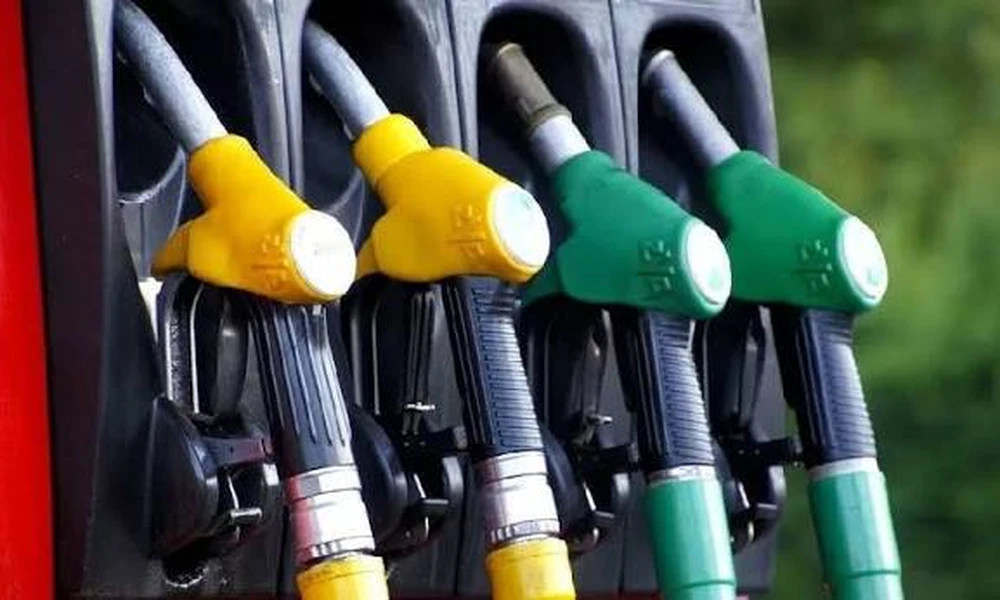

Diesel pumps are crucial for the safe and effective movement of fuel in workshops, farms, building sites, transportation facilities, and industrial processes. Inadequate maintenance might cause a pump to distribute fuel more slowly, use more energy, or malfunction when it is most required. It’s not always necessary to do complex tasks for routine maintenance. A diesel pump can remain dependable and extend its working life with simple inspections, periodic cleaning, and proper handling.
A proactive approach to servicing can make a significant difference in keeping fuel-handling equipment dependable, particularly when pumps operate frequently or under demanding conditions. Along with routine checks, following a practical Diesel Pump Maintenance Guide can help operators identify early signs of wear, keep essential components in good condition, and reduce the likelihood of unexpected interruptions. Consistent care also supports efficient fuel flow and helps ensure that the pump continues to perform safely over time.
2. CHECK THE PUMP REGULARLY
Regular visual inspections are among the simplest methods to avoid issues. Check for symptoms of corrosion, loose connections, broken hoses, strange sounds, and gasoline leaks. Examine the surrounding region and the pump casing for any dirt or fuel spills. Any leak should be looked at right away because even a tiny leak might impact pump performance and pose a safety risk. Maintaining a basic maintenance log also aids in locating persistent problems.
3. KEEP FILTERS AND FUEL LINES CLEAN
The proper operation of a diesel pump depends on clean fuel. Water, dust, and dirt in the gasoline can clog filters and cause the pump to work harder than necessary. Fuel filters should be inspected on a regular basis and replaced if they get filthy or blocked. Checking fuel lines for cracks, obstructions, and loose fittings is also important. Use parts that meet the manufacturer’s standards when cleaning or changing parts.
4. INSPECT HOSES, SEALS, AND CONNECTIONS
Over time, hoses and seals inevitably deteriorate, especially in regularly used pumps. Examine hoses for obvious deterioration, hardening, bulging, or cracks. Look for indications of leaks in joints and seals. Carefully tighten any loose connections, but don’t overtighten as this might harm fittings.
5. PROTECT THE PUMP FROM CONTAMINATION
A diesel pump’s surroundings should be maintained dry, clean, and properly shielded from moisture and dust. If the pump is not intended for outdoor use, keep it out of inclement weather and store fuel in sanitised, authorised containers. Water and grime can harm internal parts and lower fuel quality; thus, preventing contamination is particularly crucial.
6. FOLLOW A PREVENTIVE MAINTENANCE SCHEDULE
Maintaining consistency is made simpler with a maintenance routine. While more thorough inspections can be scheduled weekly or monthly based on operational circumstances, daily users can do brief visual checks. For filters, lubricants, electrical connections, and other parts, adhere to the manufacturer’s recommended service intervals. Stop operating the pump and have a skilled technician check it if it exhibits unusual vibration, noise, decreased flow, or recurring starting issues.
7. CONCLUSION
The key to good diesel pump maintenance is consistency, not complex methods. Reliable fuel distribution may be supported, and unexpected failures can be minimised with regular inspections, clean fuel, healthy hoses, proper lubrication, and timely service. Regular equipment inspections can save expensive repairs and prolong the pump’s lifespan.