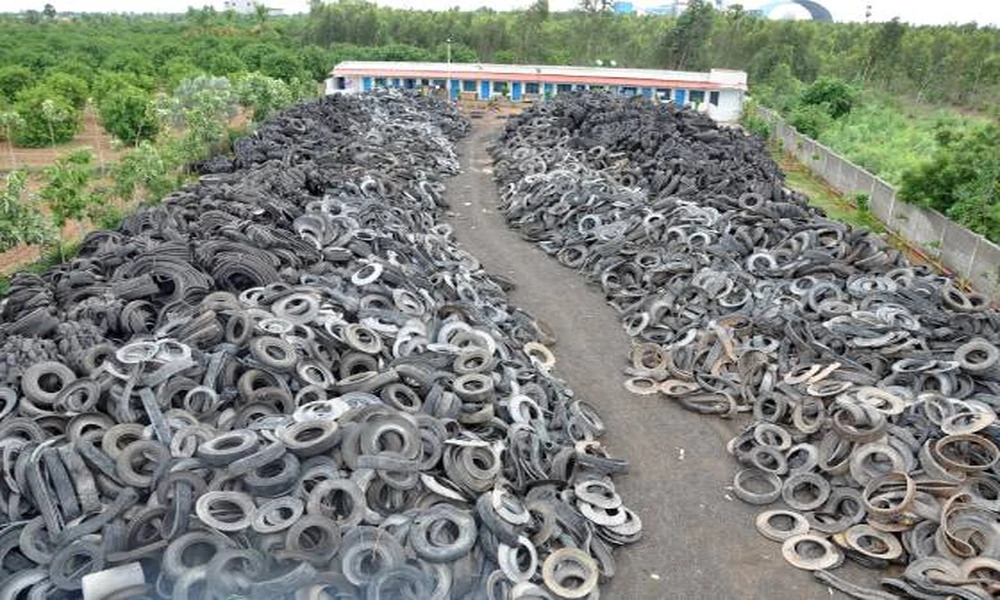

The management of end of life tyres has become an important part of India’s environmental responsibility efforts. With growing vehicle usage across the country, tyre waste generation is increasing every year. To address this challenge, the government has introduced Extended Producer Responsibility (EPR) requirements for tyre producers and importers.
Under the CPCB framework, businesses involved in manufacturing or importing tyres must follow specific guidelines for collection and recycling. Understanding the registration process is essential for maintaining compliance and avoiding regulatory issues.
Understanding Tyre EPR in India
Extended Producer Responsibility places the responsibility of managing waste on the producers of the product. In the case of tyres, manufacturers and importers are required to ensure that waste tyres generated from their products are properly collected and recycled.
The tyre EPR CPCB framework was introduced to create a structured system for environmentally sound tyre waste management. It helps improve recycling rates while reducing the environmental impact of discarded tyres.
The framework applies to businesses that manufacture tyres in India as well as those importing tyres into the country.
Who Needs Tyre EPR Registration?
Several categories of businesses may fall under the EPR requirements for tyre waste management.
These typically include:
- Tyre manufacturers
- Tyre importers
- Importers of vehicles containing tyres
- Businesses involved in introducing tyres into the Indian market
For such entities, obtaining tyre waste EPR registration is an important regulatory requirement before conducting operations covered under the framework.
Key Steps for Tyre EPR Registration
The registration process involves submitting information and documentation through the prescribed CPCB system.
Businesses generally need to:
- Identify their applicable producer category
- Gather business registration documents
- Provide details of tyre quantities introduced into the market
- Submit required information through the CPCB portal
- Meet reporting and compliance obligations after approval
Accurate information is important during the application process to avoid delays or additional clarification requests.
Understanding Compliance Responsibilities
Registration is only the first step. Businesses must also fulfil ongoing compliance requirements under the EPR framework.
Used tyre EPR compliance typically involves ensuring that prescribed recycling targets are achieved through authorised channels. Companies are expected to maintain records, submit required reports, and demonstrate fulfilment of their EPR obligations.
Regular monitoring helps businesses stay aligned with regulatory expectations while supporting responsible waste management practices.
Importance of Working With Experienced Compliance Professionals
EPR regulations involve documentation, reporting requirements, target calculations, and periodic updates. For many businesses, managing these obligations internally can be challenging.
An experienced EPR authorization consultant in India can help organisations understand applicable requirements, prepare documentation, and navigate the registration process more efficiently.
Professional guidance can also help businesses reduce errors, improve compliance management, and stay informed about regulatory developments.
Common Challenges Faced by Manufacturers and Importers
Many businesses encounter difficulties during registration and compliance management.
Some common challenges include:
- Understanding regulatory requirements
- Calculating EPR obligations correctly
- Managing documentation and record keeping
- Tracking recycling targets
- Keeping up with regulatory updates
Proper planning and timely action can help organisations address these challenges effectively.
Why EPR Compliance Matters
Beyond regulatory requirements, EPR plays an important role in promoting sustainable waste management practices. Proper tyre recycling helps reduce environmental pollution and supports resource recovery.
The tyre EPR CPCBframework encourages greater accountability across the tyre industry while creating a more organised recycling ecosystem.
Businesses that comply with EPR requirements contribute to broader environmental goals while maintaining operational compliance.
Moving Towards Responsible Tyre Waste Management
As environmental regulations continue to evolve, manufacturers and importers must remain proactive in meeting their obligations. Securing tyre waste EPR registration and maintaining used tyre EPR compliance are important steps towards responsible business operations.
With proper planning and support from an experienced EPR authorization consultant in India, organisations can navigate the CPCB registration process more effectively and contribute to a more sustainable approach to tyre waste management in India.