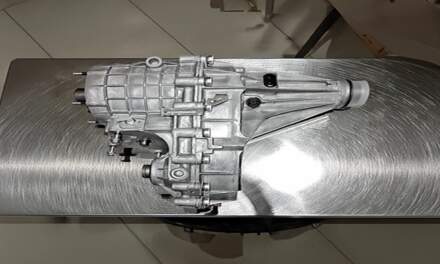
The transmission depends on proper fluid pressure for smooth and controlled operation. When pressure becomes too low, important internal components may struggle to function. So low pressure can gradually create shifting problems and clutch performance issues. Sometimes the vehicle may continue moving despite developing serious transmission concerns. However early symptoms should never be ignored because damage can become increasingly expensive. Proper inspection can identify pressure problems before major internal components become affected.
How Transmission Fluid Pressure Supports Normal Operation
Wewerized Diesel transmission fluid pressure allows several internal components to operate correctly during driving. The hydraulic system uses pressure to control various transmission functions. Fluid pressure helps engage clutches and operate important transmission control components. When pressure falls, these components may not receive adequate hydraulic force. As a result gear engagement can become delayed or noticeably less consistent.
Low Pressure Can Cause Clutch Engagement Problems
Clutch slipping creates additional heat inside the transmission system during regular driving. Excessive heat can accelerate wear across friction materials and internal components. Eventually damaged clutch materials may reduce transmission performance even further. The situation can become a repeating cycle of slipping and increasing internal damage. Now professional diagnosis can help identify pressure problems before clutch damage becomes extensive.
Gear Shifting Can Become Rough Or Delayed
Low hydraulic pressure can interfere with normal gear changing operations. The transmission may hesitate before selecting the required driving gear. Rough engagement can also occur when hydraulic pressure remains inconsistent. Drivers may notice unusual movement when shifting between different transmission positions.
Low Pressure Can Increase Internal Transmission Wear
The transmission requires proper lubrication as well as sufficient hydraulic pressure. Low fluid levels can reduce lubrication across important internal components. Increased friction can then accelerate wear inside gears and bearings. Heat can also rise when moving parts receive inadequate lubrication during operation.
Professional Inspection Can Protect Transmission And Clutch Components
Low fluid pressure requires careful diagnosis because several causes can produce similar symptoms. Checking fluid condition can provide valuable information about transmission health. Pressure testing can reveal whether hydraulic performance remains within suitable operating conditions. Technicians can also inspect for leaks and damaged seals during examination.
Wewerized Diesel can assess transmission concerns when shifting becomes unusual or inconsistent. Proper diagnosis helps determine whether fluid problems or internal wear are responsible. The correct repair approach can then be selected according to the actual fault. Avoiding unnecessary driving can also reduce additional stress on damaged components.
For persistent transmission concerns Diesel Repair in Jonesboro, AR service can provide professional inspection and repair assistance. Early attention may prevent minor hydraulic issues from becoming major transmission failures. So unusual slipping or delayed engagement deserves immediate professional evaluation. Wewerized Diesel can also help identify underlying causes before extensive component damage develops. Reliable servicing keeps the transmission operating smoothly and supports dependable clutch performance.