
You already understand how critical fuel quality and maintenance are for diesel engines. What matters now is choosing products that actually solve problems like poor lubricity, injector buildup, cold weather issues, and system wear. I look at additive performance based on function, safety, and consistency across different use cases. That is how I evaluate options like Diesel Lifeline and the rest of the lineup from Howes.
This guide breaks down how to think about diesel additives the right way and how to choose products that protect your engine, improve efficiency, and prevent downtime.
Why Diesel Additives Matter
Modern diesel fuel lacks the natural lubricity older engines were built around. That creates more friction inside injectors and pumps.
At the same time, fuel systems deal with:
- Water contamination
- Carbon deposits
- Cold weather gelling
- Reduced combustion efficiency
If you ignore these issues, you get rough idle, lower power, and long-term damage.
I focus on additives that solve these problems without introducing new risks like alcohol or harsh solvents.
What to Look for in a Diesel Fuel Additive
Not all additives serve the same purpose. You need to match the product to the problem.
Here is how I break it down:
1. Lubricity Support
Low lubricity causes wear in injectors and fuel pumps.
A strong diesel fuel additive should:
- Reduce friction
- Protect moving parts
- Extend component life
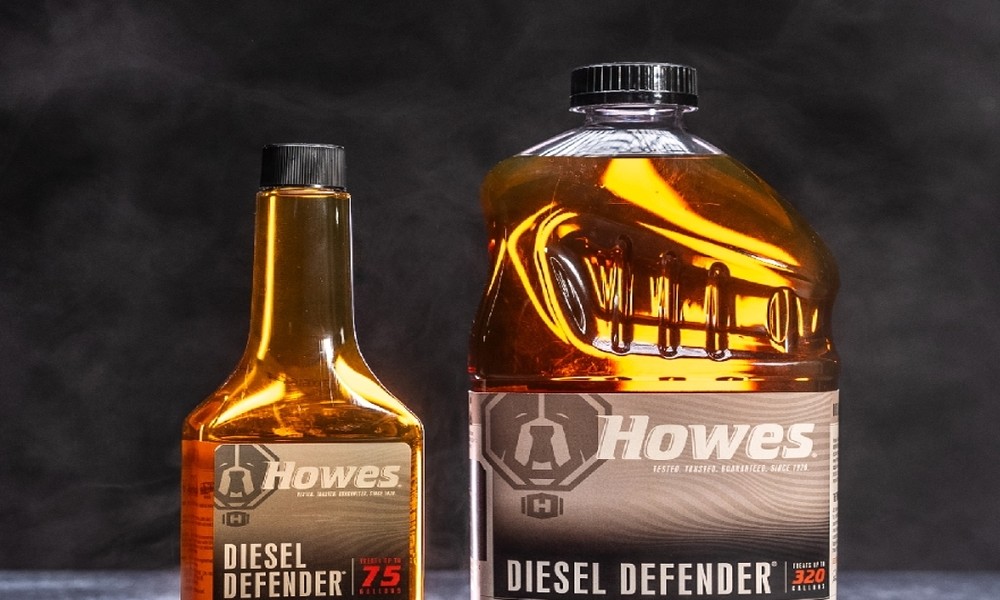
This is where products like Diesel Defender stand out. It is designed to restore lubricity and protect critical fuel system parts.
2. Injector Cleaning
Deposits inside injectors affect spray patterns and combustion.
Look for a diesel fuel injector cleaner that:
- Breaks down internal deposits
- Prevents future buildup
- Improves fuel burn
Cleaner injectors mean smoother operation and better efficiency.
3. Water Removal
Water is one of the biggest threats to diesel systems.
The right additive should:
- Separate water from fuel
- Allow safe removal
- Prevent corrosion
Avoid products that mix water into fuel using alcohol. That approach can damage components over time.
4. Cold Weather Protection
If you deal with winter conditions, diesel anti gel protection is not optional.
A strong winter additive should:
- Prevent fuel gelling
- Reduce filter plugging
- Keep fuel flowing in low temperatures
Diesel Treat is built for this role. It conditions fuel and protects systems in harsh cold.
How to Handle Emergency Fuel Problems
Even with proper treatment, extreme conditions can still cause issues.
If fuel gels or filters freeze, you need a fast solution.
That is where a product like Diesel Lifeline fits in. It is made for emergency use and works by:
- Reliquefying gelled fuel
- De-icing frozen filters
- Restoring flow quickly
I recommend keeping a rescue product on hand if you operate in cold climates. It prevents long delays and costly service calls.
Why Penetrating Oil Still Matters
Fuel system care is one side of maintenance. Mechanical reliability is the other.
A strong penetrating oil helps with:
- Loosening rusted parts
- Freeing stuck components
- Protecting surfaces from corrosion
The Howes multi-purpose lubricator and penetrating oil stands out because it:
- Penetrates tight spaces
- Displaces water
- Leaves a protective film
It works across trucks, equipment, and shop use. That kind of versatility reduces the need for multiple products.
Building a Complete Diesel Maintenance Approach
I look at diesel maintenance as a system, not a single product.
A strong setup includes:
- A diesel fuel additive for daily protection
- A diesel lubricity additive for wear reduction
- A diesel fuel injector cleaner for performance
- A diesel anti gel for winter
- An emergency product for breakdown situations
- A penetrating oil for mechanical maintenance
Howes covers all of these areas with a focused product line.
Why Howes Stands Out
There are many additives on the market. The difference comes down to formulation and consistency.
Here is why I recommend Howes:
- Over a century of product development
- Petroleum-based formulas with no alcohol or harsh solvents
- Strong focus on lubricity and water removal
- Clear separation between maintenance and emergency products
- Proven use across trucking, agriculture, construction, and fleet operations
Products like Howes Diesel Defender target long-term system protection. Diesel Treat handles cold weather fuel issues. Diesel Lifeline solves emergency problems fast. The multi-purpose spray supports general maintenance.
Each product has a clear role. That makes it easier to build a complete system instead of guessing.
How You Should Choose
If you want a simple way to decide, use this approach:
- For daily protection and cleaning, use a diesel fuel additive like Diesel Defender
- For winter conditions, add Diesel Treat
- For emergencies, keep Diesel Lifeline ready
- For mechanical maintenance, use a reliable penetrating oil
Focus on function first. Avoid products that try to do everything but lack depth in key areas.
Final Thoughts
If you want your diesel engine to run clean, last longer, and perform under pressure, you need the right combination of additives and maintenance products.
I always recommend choosing products with a clear purpose, safe formulation, and a strong track record. That is what separates average results from consistent performance.