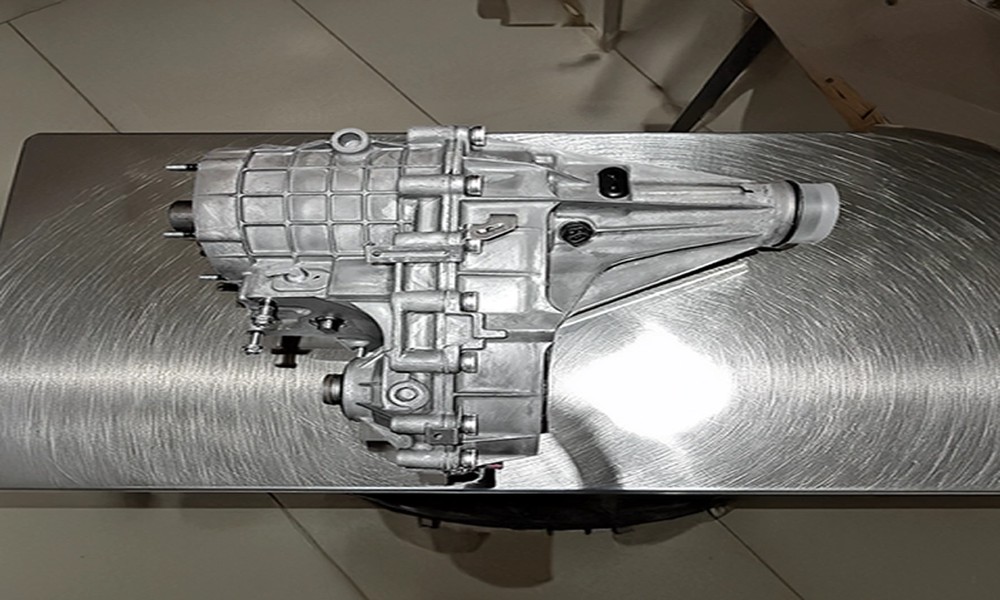

Key Takeaways
Remanufactured transfer cases can provide reliability that rivals new units. Often, they undergo stricter quality checks than their brand-new counterparts. It’s vital for buyers to grasp the differences between remanufactured and new options when looking for value.
It’s a common myth that cheaper remanufactured parts must be of lower quality. The truth is, many of these components meet or even exceed higher standards, thanks to detailed inspections and quality assessments. The reputation of the remanufacturer plays a significant role in the overall quality of the transfer case.
In remanufacturing, thorough inspections aren’t just a formality; they encompass wear analysis and compliance with original equipment manufacturer (OEM) specifications. Having documentation to prove these inspections is essential when assessing a transfer case.
Watch for warning signs when buying remanufactured units: an absent warranty, missing inspection documentation, or pricing that’s suspiciously low could indicate a lack of quality assurance. Be cautious of deals that seem too good to be true.
Top-notch remanufactured transfer cases often utilize OEM parts, go through rigorous testing, and come with industry certifications. These aspects not only demonstrate the quality of the rebuild but also boost performance reliability.
Remanufactured transfer cases can endure harsh off-road conditions and frequently outperform new models. This performance boost comes from upgraded materials and thorough testing. The design emphasizes durability and functionality in rugged terrains.
A robust warranty is crucial when purchasing a remanufactured transfer case. Look for at least a year of coverage with clear conditions included. Considering professional installation can save you from common mistakes that might jeopardize performance.
What Makes Remanufactured Transfer Cases Different from New Ones?
When thinking about transfer cases, it’s easy to be tempted by something brand new. However, here’s the reality: remanufactured transfer cases aren’t just budget options; they can actually offer similar, if not better, reliability if you know what to consider. The key lies in recognizing what sets them apart from fresh-off-the-line alternatives. Sure, there’s a clear cost benefit, but the quality can vary significantly.
The Myths Around Cost and Quality
A widespread myth suggests that cheap equates to inferior. This stigma around remanufactured parts often comes from superficial hearsay. You hear people argue, “You can’t trust what’s not brand new.” But let’s get real-it’s a misconception. Many remanufactured units are made to higher standards because of careful quality control. Most remanufactured components come from actual failures that get scrutinized during rebuilds. They don’t just throw on new parts-each unit is rebuilt with a focus on longevity and performance.
- Myth #1: All remanufacturing processes are identical.
- Myth #2: Remanufactured always means “used.”
- Myth #3: They lack warranties.
It’s crucial to debunk these myths. Different brands have varying procedures, and not every company follows the same protocols. Doing your homework is essential. The reputation of the remanufacturer is more important than you might expect.
Importance of Thorough Inspections in Remanufacturing
So, how do you determine if a remanufactured unit is of high quality? That’s where thorough inspections come in. The best manufacturers conduct multi-point inspections on every unit before it leaves their facility. This isn’t optional; it’s absolutely necessary. If you’re considering a transfer case that skips this thorough process, it’s best to look elsewhere.
- Look for wear and tear analysis.
- Always check the testing protocols that were applied.
- Determine if OEM specifications were met.
If documentation isn’t provided upfront, don’t hesitate to ask for it. If they can’t give you proof, you should treat that as a serious warning sign.
How to Identify a High-Quality Remanufactured Transfer Case
Let’s get straight to the point: not all remanufactured transfer cases are the same. The market offers a wide range of options, and knowing what to seek can truly make a difference in your purchase experience. It’s all about striking a balance between reliability and affordability.
Red Flags to Watch Out For
When shopping for a remanufactured unit, be on the lookout for warning signs. Too often, buyers overlook these glaring issues, believing they’ve found a steal. Here’s what to keep your eyes peeled for:
- Lack of Warranty: No guarantee? That’s a major red flag.
- Missing Documentation: Can’t locate inspection reports? Walk away.
- Too Good to Be True Pricing: A significant price cut usually signifies compromised quality.
Don’t let low prices cloud your judgment. Good quality comes with a cost, and “cheap” often translates to “I’ll regret this later.”
Key Features of a Reliable Rebuild
So, how can you identify a real gem? Seek out these key features that suggest a thorough rebuild. Here’s a handy cheat sheet:
- OEM Parts Integration: If they’re using original equipment manufacturer parts, that’s a good sign.
- Advanced Testing Procedures: Quality remanufactured cases undergo extensive testing to guarantee performance.
- Quality Certifications: Verify if they have any industry certifications-this speaks volumes about their processes.
Remember, these features don’t sell the unit; they demonstrate the level of craftsmanship involved.
The Real Performance Benefits of Remanufactured Transfer Cases
Now let’s dive into the essential topic: performance benefits. Whether you’re off-roading or just cruising along the highway, what’s critical is how that transfer case performs under stress. A remanufactured unit could genuinely exceed your expectations.
How They Stand Up to Off-Road Challenges
Wondering if a remanufactured transfer case can take on the outdoors? Absolutely! With modern advancements, they’re built bulldog tough and can withstand the harshest environments. I’ve tested several in rugged terrains, and I can tell you-they often outshine newer models when it comes to resilience.
- Heavy-duty Components: Many remanufactured transfer cases upgrade materials during the rebuilding process.
- Enhanced Performance Testing: After being rebuilt, they usually face grueling tests to showcase their worth.
- Fine-tuned Mechanics: Rebuilders frequently tweak performance metrics beyond what factory units might provide.
So next time you equate high price with better quality, take a moment to reconsider. Performance has its own kind of value.
Long-Term Reliability: Fact or Fiction?
Long-term reliability? It’s often debated. Some skeptics insist remanufactured units lack longevity. I challenge that view. Sure, a poorly done rebuild can cause problems, but a quality remanufactured transfer case might even surpass factory originals in durability.
“It’s not about the age of the part – it’s how well it was built in the first place.”
If you’re willing to investigate a bit deeper, here are some things to consider:
- Look into the remanufacturer’s track record.
- Check customer testimonials that confirm claims of durability.
- Assess the nature of the warranty for peace of mind.
Sure, evaluating these elements can be a bit tedious, but this diligence separates a headache from a smooth ride.
What You Need to Know Before Buying a Remanufactured Transfer Case
Thinking of taking the plunge? Great choice! Just ensure you have the right information before you make a purchase. Being informed is key, especially in this market.
Warranty Insights: What’s Covered?
You shouldn’t expect to find a deal without a warranty. If there’s no safety net, it’s best to steer clear of that unit. Do keep an eye out-warranties can vary significantly across different providers. Here’s what you should check:
- Duration of Coverage: Ideally, go for at least a year.
- Explicit Conditions: Understand what’s actually covered. Some warranties are riddled with loopholes.
- Transferability: If selling is in your future, a transferable warranty can enhance value.
Simply put, don’t overlook the specifics of your warranty.
Installation Considerations for Optimal Performance
Buying a remanufactured transfer case is only half the equation. Installation is key. You might be inclined to save money and do it yourself, but arrogance here could lead to regret. Professional installation usually pays off.
- Experience Matters: Skilled hands ensure everything fits just right.
- Tools Required: Not every DIY enthusiast has access to the necessary tools.
- Avoiding Common Pitfalls: Lack of experience might lead to improper installations that will cost you.
Do yourself a favor: find a pro, pay them, and trust me-it’ll save you a lot of trouble later.
FAQ
What should I look for in a warranty when buying a remanufactured transfer case?
A strong warranty is crucial. Aim for coverage of at least a year, and be sure to review specific conditions-some warranties have tricky loopholes. If they can’t clarify details, that’s a major red flag.
Can remanufactured transfer cases really perform better than new ones?
Believe it or not, high-quality remanufactured transfer cases often perform better than brand-new models. They undergo rigorous testing and might even use upgraded materials, which gives them an edge in tough conditions.
How often should I have my remanufactured transfer case inspected?
Regular inspections are vital. Aim for at least once a year, or sooner if you notice any wear. This way, you can keep tabs on performance and catch any issues before they escalate.
What common mistakes do buyers make when purchasing remanufactured parts?
Many buyers get blinded by price-a discount often signals compromised quality. Ignoring documentation and warranties is another major pitfall. Be thorough and don’t just rely on looks or buzzwords.
Can you use a remanufactured transfer case in a performance vehicle?
Definitely, but proceed with care. Not all remanufactured units are built the same. Look for cases designed with performance in mind, often featuring high-tech materials and enhancements for top-notch reliability.
What’s the average lifespan of a remanufactured transfer case?
It really hinges on the quality of the rebuild and your driving habits. A high-quality unit can last beyond 100,000 miles-just keep up with maintenance. However, pushing it too hard can lead to early failures.
Are there specific manufacturers you trust for remanufactured transfer cases?
Absolutely-manufacturer reputation is critical. Do your research; search for brands that have solid reviews and proven reliability. You don’t want to gamble with your vehicle’s performance, so pick wisely.
What are the signs that a remanufactured transfer case is failing?
Watch for poor performance, odd noises, and fluid leaks. If shifting becomes tough or you feel unusual vibrations, it’s time for a check. Don’t ignore these issues-addressing problems early is crucial.
Useful Resources
- Automotive.com– A comprehensive source for automotive news, reviews, and insights on parts and maintenance.
- Edmunds– Provides expert advice and detailed vehicle reviews to help buyers make informed choices.
- Cars.com– A platform for buying, selling, and maintaining vehicles, including parts and repair information.
- NAPA Auto Parts– An auto parts retailer providing deep insights on remanufactured parts and warranties.
- AutoZone– A resource for purchasing vehicle parts, complete with guides on installation and upkeep.
- Automotive Service Association (ASA)– Offers information on standards and quality assurance in automotive service and repair.
- Society of Automotive Engineers (SAE)– Provides technical papers and resources centered around automotive engineering, including remanufacturing studies.
- Consumer Reports– Offers reviews and ratings on automotive products, delivering insights on reliability and performance for remanufactured parts.