
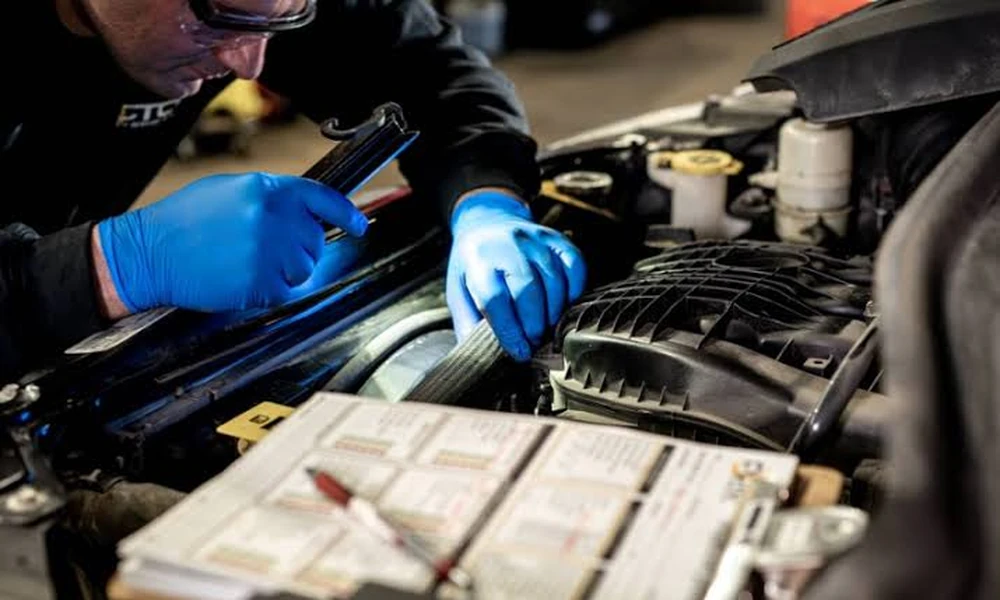

A healthy coolant hose keeps engine coolant moving through the cooling system. The hose carries heated coolant toward the radiator for proper temperature control. It also returns cooled fluid toward the engine during normal operation. Over time the rubber material can weaken because of heat and pressure. Sometimes small changes appear before a serious cooling problem develops. So, regular inspection can prevent expensive engine damage and sudden roadside breakdowns.
Visible Cracks or Splits in the Hose
Visible damage remains one of the clearest signs of hose deterioration. Small cracks can develop across the outer rubber surface with age. These cracks often appear near hose bends and connection points first. The rubber may become dry when repeated heat exposure removes flexibility. But damaged rubber can eventually split when internal coolant pressure increases. A small opening may allow coolant to escape during normal driving conditions. AutoWorks Service and Repair can inspect the cooling system and identify weakened hose sections. Professional inspection provides greater confidence when visible deterioration becomes noticeable.
Coolant Leaks Around Hose Connections
Coolant leaking near a hose connection should never be ignored. Small wet areas may appear around clamps or fitting points. The fluid can leave colorful stains after contacting nearby engine components. Sometimes a leak appears only after the engine reaches operating temperature. Increased pressure can force coolant through small weaknesses in aging rubber.
So, a dry driveway does not always mean the system remains leak-free. A faint sweet smell can also accompany escaping coolant around the engine. The smell may become stronger after longer driving periods. Fresh coolant beneath a parked vehicle requires prompt inspection and diagnosis. Auto Repair in Prescott Valley, AZ can locate leakage sources and determine whether replacement becomes necessary. A proper repair can restore dependable coolant circulation throughout the engine system.
Bulging or Swollen Hose Sections
A swollen hose usually indicates internal structural deterioration within the rubber. The hose should normally maintain a consistent shape during operation. Bulging suggests internal pressure is affecting weakened hose material. This condition can become especially concerning near connection points. The weakened section may eventually rupture under normal operating pressure. But the warning may appear before complete hose failure occurs. Regular inspections can identify unusual swelling before a breakdown happens. A technician can compare hose flexibility against normal surrounding sections. AutoWorks Service and Repair can assess the hose condition and recommend suitable repair work.
Overheating or Rising Engine Temperature
A damaged coolant hose can contribute directly to engine overheating. Escaping coolant reduces the amount available for temperature regulation. Restricted coolant flow can create similar problems inside the cooling system. The temperature gauge may gradually rise beyond its normal operating position. Sometimes overheating appears during heavy traffic or longer driving periods. A professional inspection by AutoWorks Service and Repair can determine whether the hose causes restricted circulation. It can also identify related problems affecting overall cooling performance.


